
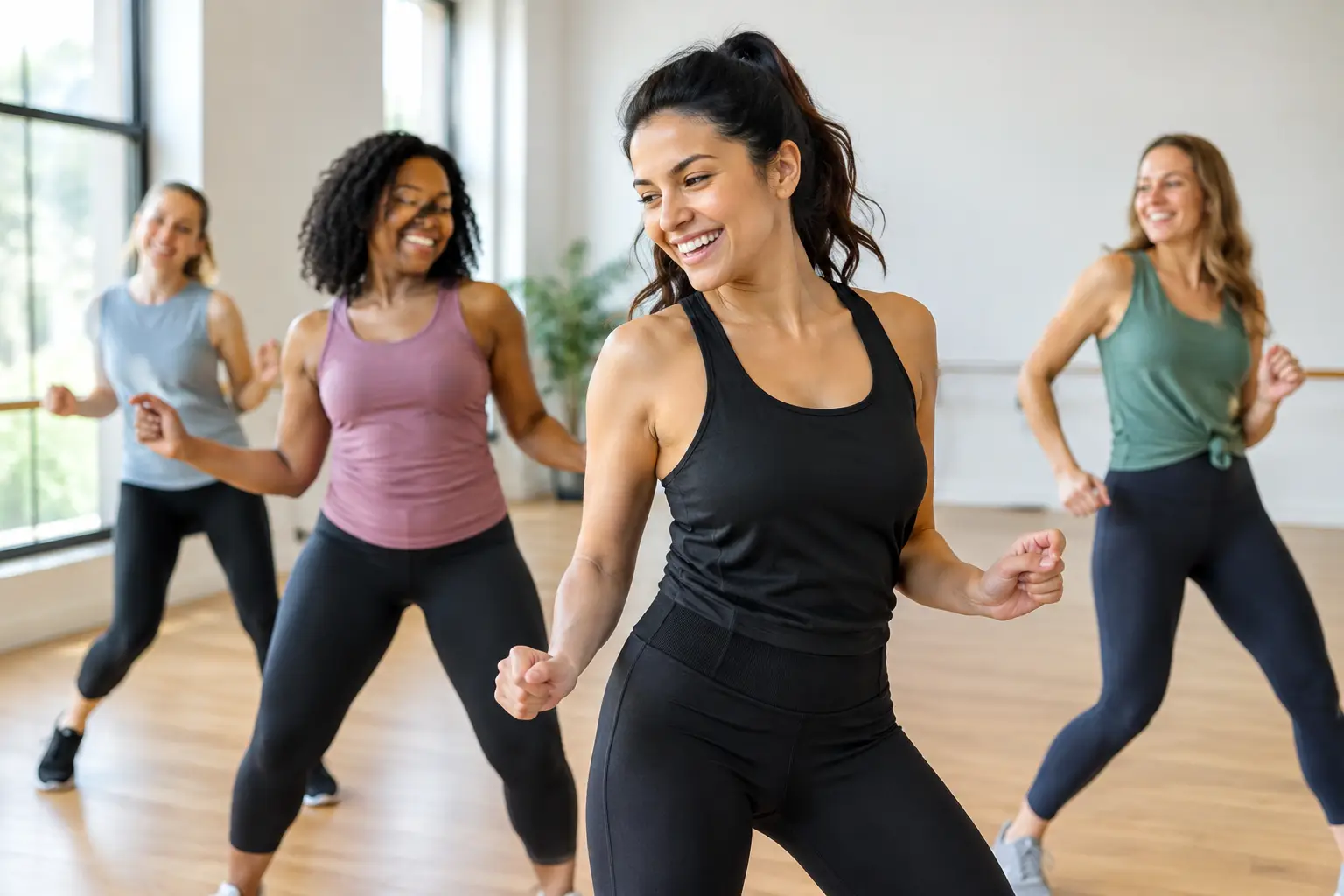
That search for adult dance classes near me usually starts with a tiny nudge: a wedding coming up, a song that makes your feet want to move, a night out that felt more like standing around than dancing. Whatever brought you here, the good news is simple: you do not need experience, fancy shoes, or a partner to start.
Social dance is less about performing and more about joining in. A few practical steps can turn a country bar, club night, wedding reception, or community dance into a place where you feel comfortable instead of stuck at the edge of the floor. That is a pretty great reason to give it a whirl.
What to Look for in Adult Dance Classes Near Me
Not every dance class is built for the same goal. Some focus on competition, detailed technique, or polished routines. Those can be wonderful paths, but if your goal is to enjoy real social dancing, look for a studio that teaches moves you can actually use with different partners, in different spaces, to different music.
A welcoming beginner class should make the first night feel manageable. The instructor explains the basic rhythm, breaks down the footwork, and gives everyone time to try it without pressure. You should not need to arrive knowing dance vocabulary or pretending you have it all figured out. Nobody is handing out report cards at the door.
Partner rotation is another useful sign, especially for singles. Rotating partners lets you practice leading, following, timing, and connection with a variety of people. It also means no partner is needed to attend. Couples can often stay together if that is their preference, while solo dancers still have a friendly way to participate.
Finally, consider whether the classes run as a series. A multi-week program gives your body time to remember what your brain learned in week one. Dancing is a physical skill. Repetition is where the “Wait, I can actually do this” moments happen.
Choose a Style You Will Want to Dance
The best first style is not necessarily the one that sounds most impressive. It is the one that matches the music and places you enjoy. When you like the soundtrack, practice stops feeling like homework and starts feeling like a night out with an extra bounce in your step.
For country bars and dance halls
Country Two Step is a terrific choice for smooth traveling around the floor, while Country Swing brings energy, turns, and a more playful feel. Progressive country classes are especially helpful when you want to build from the basics rather than learn a handful of disconnected moves.
For weddings, parties, and classic social events
Ballroom styles such as Waltz, Foxtrot, and Cha Cha offer useful foundations for many occasions. East Coast Swing is also a crowd-pleaser when upbeat rock, pop, or vintage swing music comes on. You do not need to become a ballroom purist to enjoy these dances. A solid basic and a simple turn can carry you a long way.
For Latin, club, and upbeat nights out
Salsa, Bachata, Merengue, and Latin-inspired club styles are great for dancers who want rhythm, movement, and connection. Some styles are more compact and easier to use in busy venues, while others travel more across the floor. An experienced instructor can help you learn what fits the setting, not just what looks good in a spacious studio.
It depends on your comfort level, too. If a fast beat feels intimidating, start with a dance that has a clear, steady rhythm. You can always add quicker styles later. There is no prize for choosing the hardest option first.
Your First Class Is Allowed to Feel Awkward
Almost everyone walks into their first adult dance class with one of the same worries: “What if I have two left feet?” Here is the secret – most beginners feel that way for about five minutes. Then the class starts counting, everyone makes a few charming mistakes, and the room gets noticeably lighter.
The first lesson is about getting oriented. You may learn how to hold a partner comfortably, how to find the beat, and how to take a few basic steps in time with music. You will likely repeat the same pattern several times. That repetition is not a sign you are behind. It is exactly how the pattern starts becoming natural.
Wear clothes you can move in and shoes that stay on your feet. Avoid shoes with extremely sticky soles if possible, since turning can feel tougher when your feet cannot pivot. Beyond that, keep it easy. You are there to dance, not audition for a costume department.
A good class is patient without being dull. The instructor should correct the details that matter, such as posture, timing, and connection, while keeping the atmosphere relaxed. You are learning a social skill, so a little laughter belongs in the lesson.
Why Group Classes Make Learning Easier
Private lessons can offer highly focused feedback, but group classes have a special advantage for social dancers: they feel social from day one. You meet people, learn how to dance with more than one person, and see that everybody is working through the same new steps.
Group instruction is also often a more affordable way to build a foundation. Instead of trying to absorb everything in one intense session, you can return each week, review what you know, and layer on a new idea. That steady progress is easier to keep than a short burst of motivation.
At Dance Class Saskatoon, classes are designed around the kind of dancing people do beyond the studio. The focus is not on memorizing a show routine. It is on getting comfortable enough to say yes when someone asks you to dance – or confident enough to ask first.
Practice parties add another valuable step between class and the real world. They give you a friendly place to try your moves with music, different partners, and a little more freedom. Think of them as the bridge from counting quietly in class to dancing with a smile at your next event.
Make Progress Without Taking It Too Seriously
The fastest way to improve is to show up consistently, but you do not need to drill every evening in your kitchen. Put on a song at home and practice your basic step for a few minutes. Listen for the beat while you are driving. Try one turn slowly before worrying about adding three more.
Keep your goals small and useful. Maybe you want to stay on time for a full song. Maybe you want to feel less nervous dancing with someone new. Maybe you want one dependable move for an upcoming wedding. These goals build confidence because you can feel the improvement right away.
It also helps to let go of the idea that good dancers never make mistakes. Social dancing is a conversation. Sometimes a step gets missed, a turn goes sideways, or both people start laughing. The best dancers do not panic. They find the beat again and keep going.
Find the Class That Gets You on the Floor
When you compare local classes, read beyond the style name. Check whether the course welcomes absolute beginners, whether you can join without a partner, how long the series runs, and whether there are opportunities to practice. Those details make a major difference in whether a class feels like a one-time activity or the start of a favorite new routine.
Choose the music that makes you grin, give yourself permission to be new, and step onto the floor before you feel perfectly ready. The next song is coming either way – you might as well know what to do when it starts.