
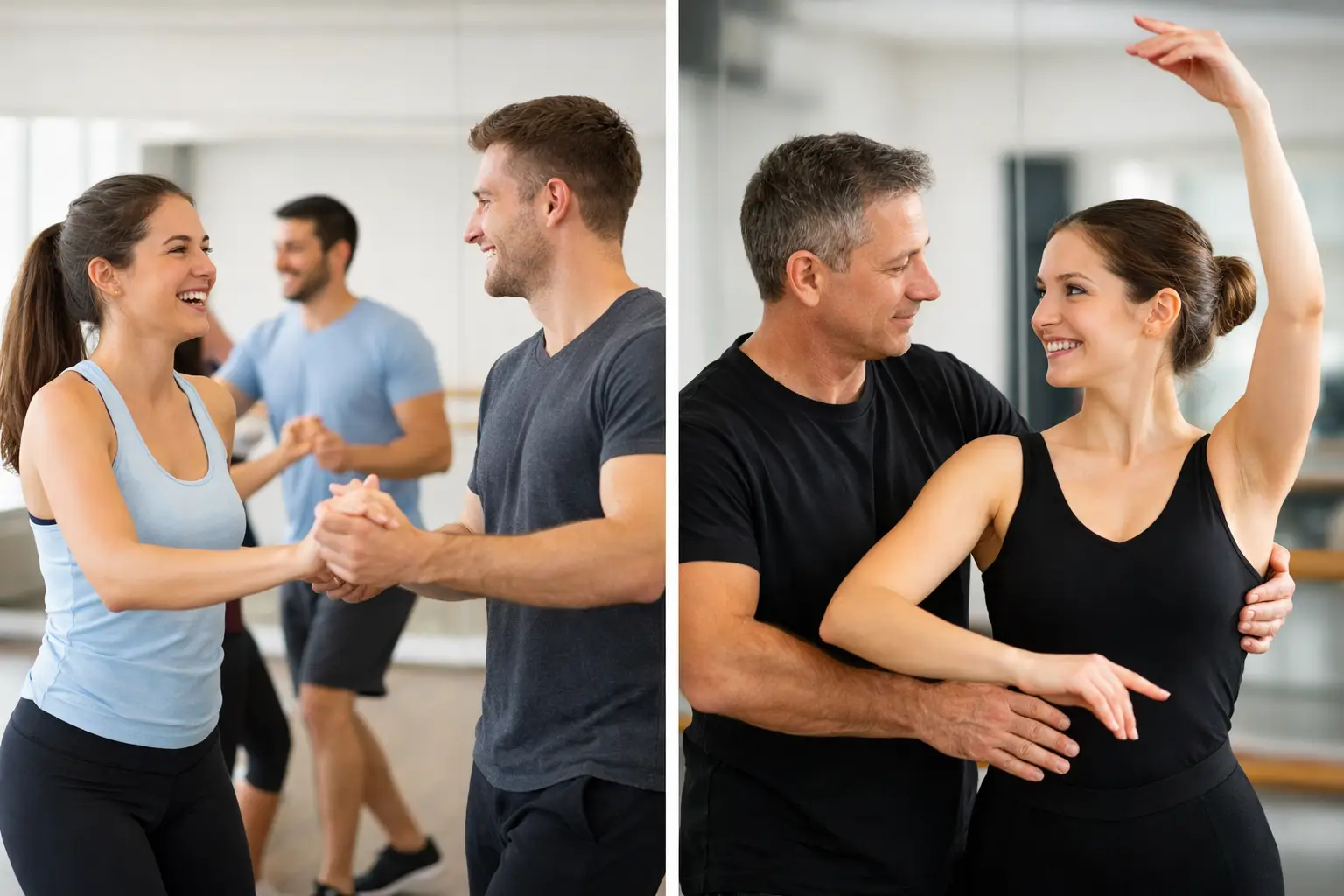
Some people walk into a studio ready to salsa by song two. Others need a minute, a deep breath, and maybe a reminder that two left feet are still welcome on the dance floor. If you are weighing group or private dance lessons, the best choice is not about what sounds fancier. It is about how you learn, what gets you showing up, and where you want your dancing to take you.
For most adults, this decision comes down to three things – comfort, budget, and goals. Do you want the energy of learning with others, or the focus of one-on-one coaching? Are you trying to get ready for social dancing, sharpen one style, or simply stop feeling awkward when a great song comes on? Let’s step through it.
Group or private dance lessons: what is the difference?
Group classes are built around shared learning. You join other students, follow a structured lesson, practice key patterns, and get used to dancing in a social setting. The vibe is usually lively, encouraging, and a lot less intimidating than many beginners expect. In a good group class, you are not getting tossed into the deep end. You are learning in pieces, with experienced instructors guiding the room and keeping everyone moving.
Private lessons are more personalized. The instructor works directly with you, or with you and your partner, and adjusts everything to your pace. If one step clicks right away, you move on. If something feels tricky, you stay with it until it makes sense. That level of attention can be a big relief, especially if you feel nervous about learning in front of others.
Neither format is automatically better. They just solve different problems.
Why group dance classes work so well for most beginners
If your main goal is to become comfortable social dancing, group classes often make the most sense. You are not just learning steps. You are learning how to move with music, follow or lead with different people, and feel at ease in a real social environment. That matters more than many people realize.
There is also a confidence boost that comes from being in a room full of people learning the same thing. You quickly find out that everyone misses a turn now and then. Everyone laughs. Everyone improves. That shared experience takes the pressure off and makes the whole process feel more fun.
Group lessons also tend to be the more budget-friendly option. If you want steady progress without turning dance into a luxury hobby, a multi-week series gives you structure, repetition, and time to absorb the material. You get to build skill week by week instead of trying to cram everything into one long session.
For adults who want a fun night out, a new hobby, or a way to meet people, group classes have real sparkle. You learn, you move, you socialize, and before long you are not standing on the sidelines anymore.
Group lessons are especially good if you want to social dance
This is where group classes really shine. Social dancing is not performed in a vacuum. It happens at clubs, dance halls, parties, weddings, and community events. Learning with a group helps you practice the exact kind of adaptability that social dancing requires.
If your goal is practical, real-world dancing rather than polished competition routines, group instruction gives you useful reps. You learn patterns you can actually use, not just memorize for one perfect moment.
When private dance lessons are worth it
Private lessons are great when you have a specific goal and want the fastest path toward it. Maybe you are preparing for a wedding dance. Maybe you want extra help with timing. Maybe you have taken group classes before but feel stuck on one style or one skill. That is where private instruction can really step in and clean things up.
A private lesson can also help if you are very shy. Some people do better when they can ask questions freely, pause often, and learn without the social buzz of a room full of dancers. There is nothing wrong with that. The best lesson format is the one that helps you keep going.
At the same time, private lessons are not magic. They give you attention and customization, but they do not automatically replace the value of dancing with a variety of people or learning to stay relaxed in a group setting. If your end goal is social confidence, private lessons may work best as part of a bigger mix rather than as the only tool.
Private lessons can speed up progress, but they cost more
That trade-off matters. One-on-one instruction is efficient because every minute is focused on you. But if you are trying to build a long-term hobby affordably, group classes often offer better overall value.
Think of it this way: private lessons can help you fix details faster, while group lessons give you more ongoing time on the floor. Depending on your budget, one format may be easier to stick with consistently. And consistency beats intensity more often than people think.
How to choose between group or private dance lessons
Start with your real goal, not your imaginary perfect self. Plenty of people say they want private lessons because they are worried about looking inexperienced. Then they get into a friendly group class and realize that the room is full of beginners, the instructor is patient, and nobody expects them to glide in like a ballroom champion.
If you want an affordable, welcoming place to start, group classes are usually the smart first step. They give you a solid foundation, help you get comfortable, and make dance feel social from day one. That is especially true if you do not have a partner. A no-partner-required group format removes one of the biggest barriers people have before they even begin.
If you have a deadline, a special event, or a very specific challenge, private lessons may be the better fit. They let you zoom in on what matters most to you without waiting for the rest of a class to catch up.
If you are still unsure, the answer may not be either-or. It may be both.
The best of both worlds
A lot of adult dancers do best with a blended approach. They take group classes for repetition, social comfort, and variety, then add an occasional private lesson to work on the spots that need extra polish. That combination can be a sweet little two-step toward faster progress without losing the fun.
This approach makes sense because dancing is both personal and social. You need individual feedback, yes, but you also need time to practice in a real class environment. One helps you understand the material. The other helps you actually use it.
Studios that focus on approachable social dancing often build their programs around that reality. Structured group series create momentum, and personalized support helps students keep growing. That is one reason community-driven studios like Dance Class Saskatoon resonate with adults who want more than a one-off lesson. They want a hobby they can enjoy in real life.
Questions to ask yourself before you sign up
Ask yourself how you learn best. If you like shared energy and learn by doing, group classes may feel natural right away. If you need space to ask lots of questions or want close feedback on every detail, private instruction may fit better.
Next, consider what will keep you coming back. The best class format is not the one that sounds impressive. It is the one you will actually attend regularly. A lower-cost weekly group class often wins here because it becomes part of your routine instead of a rare splurge.
Finally, think about the kind of dancer you want to become. If you want to enjoy country nights, wedding receptions, Latin socials, or swing events without feeling glued to your chair, group classes are a strong match. If you are aiming at one focused outcome, private lessons can help you get there faster.
What beginners usually need most
Here is the truth that surprises many new students: most beginners do not need perfection. They need comfort. They need enough structure to understand the basics, enough repetition to remember them, and enough encouragement to keep moving when it feels unfamiliar.
That is why group classes are often such a great first move. They are social, practical, and grounded in the kind of dancing people actually want to use. You do not have to be polished to start. You just have to start.
And if private lessons help you feel ready to take that first step, that is a good choice too. The right format is the one that gets you on the floor, smiling at your progress, and looking forward to the next song.
If you have been waiting for the perfect moment to begin, this is your cue. Pick the lesson style that fits your life right now, not the one you think you are supposed to choose. The music takes care of the rest once you get moving.