
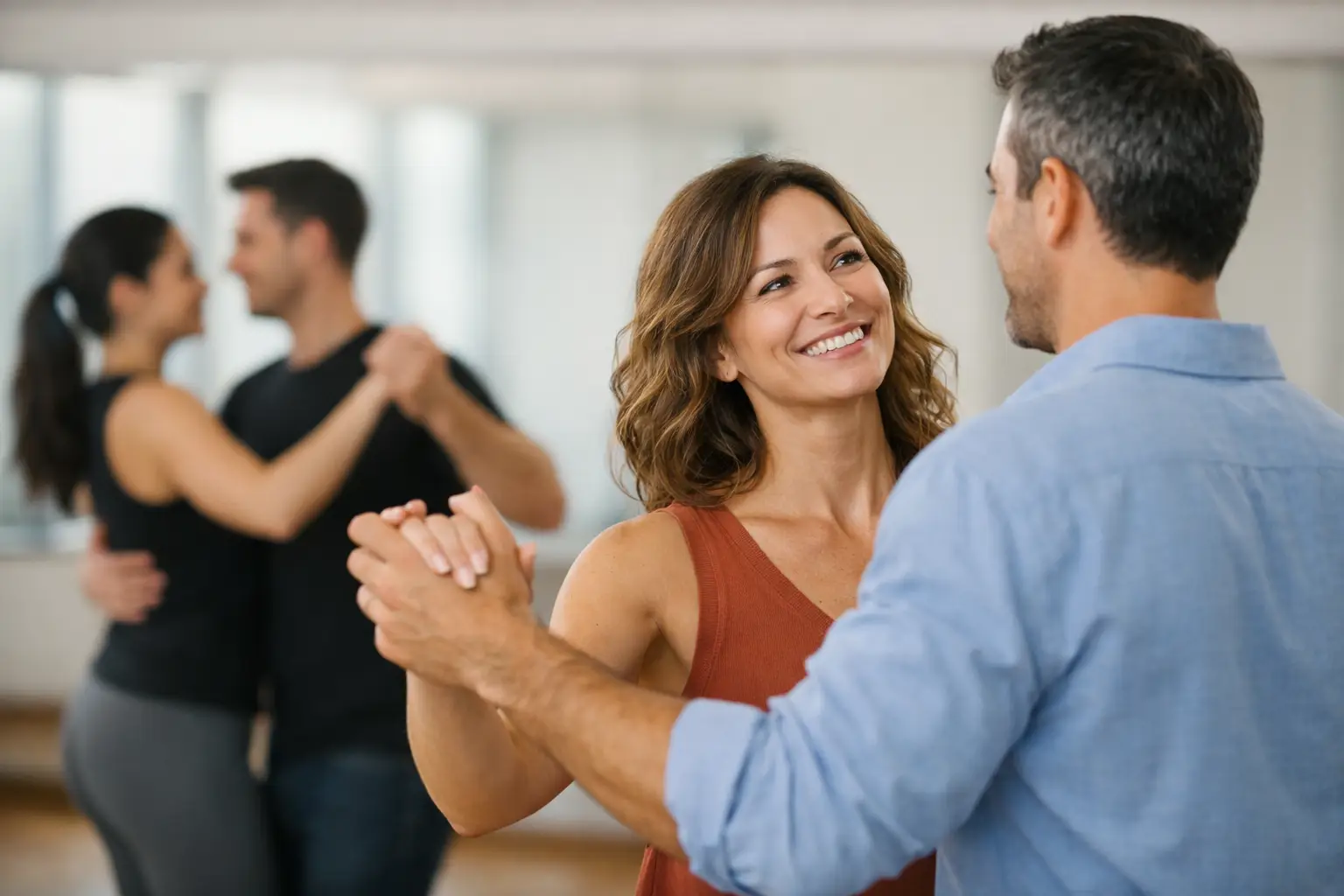
Walking into a dance class solo can feel a little like arriving at a wedding where everyone else knows the steps. Here is the good news: can singles take partner dancing? Absolutely. In fact, many social dance classes are designed with single dancers in mind, so you can learn, rotate partners, and have a great time without bringing a date, spouse, or dance buddy.
At Dance Class Saskatoon, the goal is not to pair people off and leave anyone on the sidelines. It is to get you moving, smiling, and comfortable using your new moves out in the real world. Whether you are curious about country two-step, swing, salsa, ballroom, or club styles, showing up solo is a perfectly normal way to start.
Can Singles Take Partner Dancing Without Feeling Awkward?
Yes, although feeling a little nervous before your first class is normal. Most beginners are not worried about whether they can learn a fancy turn. They are wondering, “Will I be the only single person there?” or “What happens if there are more people in one role than the other?”
A welcoming group class handles both concerns. Instructors teach the basic rhythm and connection first, then invite dancers to rotate partners during class. You spend a few minutes practicing with one person, thank them, move along, and try the same pattern with someone new. Before long, the rotation feels less like a scary social test and more like the regular rhythm of the room.
Rotating is one of the best parts of learning partner dance as a single. Every dancer has a slightly different connection, timing, height, and style. That variety helps you become adaptable instead of relying on one familiar partner to make every move work. It also means you get to know people naturally, without the pressure of having to carry a conversation all night.
How No-Partner Classes Work
Partner dancing uses two dance roles, often called lead and follow. Those roles describe the job in a movement, not who you are or who you came with. A lead suggests direction and timing; a follow responds to that information and adds shape, balance, and style. Both roles require attention, technique, and teamwork.
In a group setting, students usually choose the role they would like to learn. Some people stick with one role, while others eventually enjoy learning both. There is no rule saying a woman must follow or a man must lead. Pick the role that sounds fun, and let the instructor know if you have questions.
When class numbers are not perfectly even, the instructor can make simple adjustments. Sometimes dancers rotate in a way that gives everyone a turn. Sometimes someone sits out for one song and jumps back in on the next rotation. In experienced hands, this is no big dramatic dance-floor crisis. It is just part of a social class, and it gives you a quick chance to watch the move before trying it again.
You also do not need to arrive with polished manners or secret dance knowledge. A friendly introduction, a smile, and a quick “Thanks for the dance” are plenty. Personal space, clean hands, and deodorant are always appreciated. Beyond that, come ready to learn and laugh at the occasional left-foot moment. We all have them.
Why Learning Solo Can Make You a Better Social Dancer
Couples who learn together can have a wonderful time, but singles have a few built-in advantages. Because you rotate, you learn to communicate the dance rather than memorize it with one person. A pattern that works only with your regular partner is not yet a social dancing skill. A pattern you can comfortably dance with several people? That is the good stuff.
You also build confidence faster. The first few rotations may feel unfamiliar, but repetition changes that quickly. You realize that most people are focused on their own feet, not judging yours. You learn that a missed handhold is not a disaster. You reset, find the beat, and carry on. That relaxed recovery is what makes a dancer enjoyable to dance with at a club, community event, wedding, or dance hall.
There is a social benefit, too. Partner dancing gives adults a rare chance to meet people while doing something active and genuinely fun. You are not expected to sit across a table and invent small talk. You have music, movement, a shared beginner experience, and a reason to chat between songs. Friendships often begin one rotation at a time.
That said, dance class is not a dating service, and it works best when everyone respects that boundary. Come to learn the dance, be kind to your partners, and let connections develop naturally. The relaxed atmosphere is a big reason people keep coming back.
Which Dance Styles Are Best for Singles?
The best first style depends on where you want to use it and what kind of music gets your toes tapping. If local country nights appeal to you, country two-step and country swing offer practical, upbeat skills for the dance floor. Swing brings playful energy and works beautifully with lively music. Salsa and Latin styles are great for people who enjoy rhythm, turns, and a more social club atmosphere.
Ballroom styles can be a strong choice if you want a clear structure and versatile foundation. Styles such as waltz, foxtrot, rumba, and cha-cha teach balance, timing, and partner connection in different ways. Club dance options can feel especially approachable if your goal is to be more confident during a night out rather than prepare for a formal ballroom event.
There is no need to choose the “perfect” style on day one. Pick one that matches the music or venues you enjoy, then give it a few classes. Consistency matters more than starting with the trendiest dance. Once you know one style, trying another becomes much easier because your body already understands rhythm, posture, and how partner connection feels.
What to Wear and Bring to Your First Class
Comfort beats costume every time. Wear clothes you can move in, with layers if you tend to warm up quickly. For footwear, choose shoes that stay on securely and let you move without gripping the floor. Athletic shoes can work for many beginner classes, though very sticky rubber soles may make turns harder. Avoid flip-flops, heavy boots, or shoes with heels you cannot comfortably walk in.
Bring a water bottle and an open mind. You do not need special dance shoes, a private partner, or a memorized routine. If you have an injury or movement concern, mention it to your instructor before class. A good instructor can suggest practical adjustments so you can participate safely and comfortably.
Try to arrive a few minutes early, especially for your first class. That gives you time to check in, meet the instructor, and settle your nerves before the music starts. The hardest step is often the one through the door. After that, the class gives you something clear to do.
A Few Worries You Can Leave at the Door
“I have two left feet” is practically a beginner dance-class greeting. Dance is learned, not inherited. People improve through simple repetition: find the beat, take one step, then another. Patient instruction breaks moves into manageable pieces, so you are not expected to copy a complicated routine at full speed.
“I am too old to start” is another worry that deserves a gentle spin out of the room. Social dance welcomes adults at many ages and fitness levels. You can make the movement larger or smaller, take breaks when needed, and improve at your own pace. The point is not to look like a competition performer. The point is to enjoy moving with music and other people.
“I do not know anyone” may be the most common concern of all. That is exactly why partner rotations and practice events are so helpful. You will recognize familiar faces soon enough, and every class gives you another chance to say hello.
Make the First Step a Social One
If you have been waiting for someone to ask you to dance before you learn, consider this your invitation. Sign up solo, choose a beginner-friendly series, and give yourself a few weeks to settle into the beat. The first class may feel new. By the third or fourth, you may be surprised by how naturally you start stepping, turning, and chatting with people you did not know before.
Partner dancing is not reserved for couples. It is a shared skill, a lively hobby, and a wonderfully practical excuse to get off the couch and onto the floor. Bring your curiosity, leave perfection at home, and let the music do the introductions.