
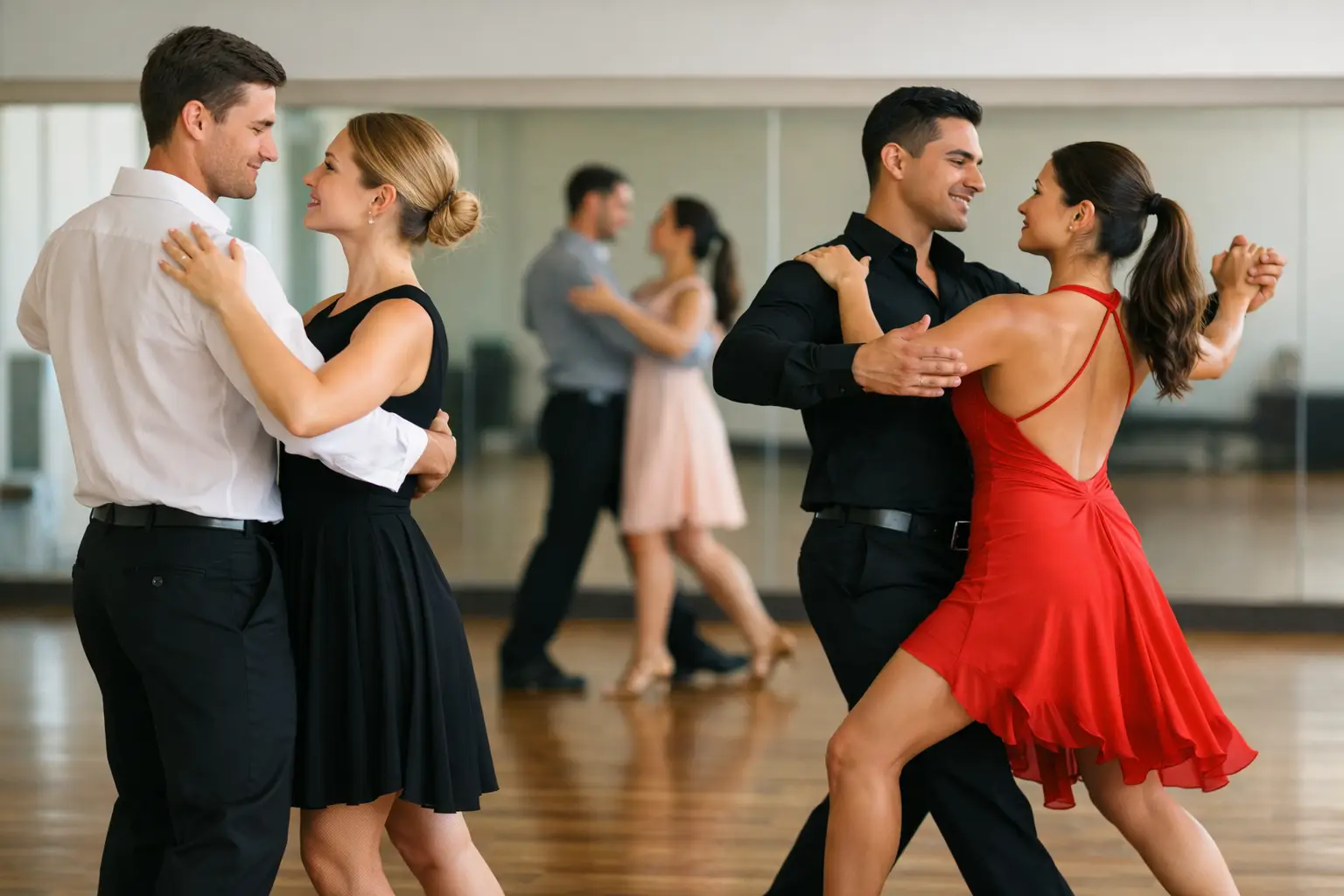
Some people walk into their first dance class convinced they have two left feet. Then the music starts, they learn a few simple patterns, and suddenly those feet are doing just fine. If you have been wondering about the top ballroom dances for beginners, the good news is you do not need fancy footwork, a dance partner, or years of rhythm training to get started.
What you do need is the right first dance. That matters more than most beginners realize. A good starter style should feel approachable, work well in real social settings, and build skills you can carry into other dances later. The best choice is not always the flashiest one. It is the one that helps you relax, hear the music, and enjoy the room instead of worrying about every step.
What makes a ballroom dance beginner-friendly?
A beginner-friendly dance usually checks a few boxes. The basic timing is clear, the patterns repeat enough to feel learnable, and the movement gives you time to think. It also helps if the dance shows up often at parties, weddings, clubs, or community events. After all, learning is more fun when you can actually use it.
That said, easy is not one-size-fits-all. Some beginners do better with smooth, gliding dances that feel elegant and controlled. Others click faster with upbeat styles that have a little bounce and personality. If you are social, curious, and willing to laugh at the occasional missed step, you are already off to a strong start.
Top ballroom dances for beginners to try first
Waltz
Waltz is one of the gentlest ways to begin. The music has a steady 1-2-3 rhythm that is easy to hear, and the movement flows instead of rushing. For many adults, that makes the learning curve feel much less intimidating.
It is also a great dance for building core partner skills. You learn posture, frame, leading and following, and how to move around the floor with another person without feeling like a shopping cart with a bad wheel. If your goal is to feel graceful and confident at formal events, waltz is a very smart first pick.
The trade-off is that waltz can feel more technical than it looks. Smooth dancing asks for control, balance, and good connection. Still, beginners often enjoy it because the basics are simple enough to start using right away.
Foxtrot
If waltz feels a little too floaty, foxtrot may be your sweet spot. It has a relaxed, traveling feel and is often taught with an easy slow-slow-quick-quick rhythm. That timing gives beginners a clear structure without making the dance feel stiff.
Foxtrot shines in social settings because it works to a wide range of music. It is practical, friendly, and less formal-feeling than some people expect. In class, it often helps new dancers get comfortable moving across the floor and navigating with a partner.
It does have some nuance. Foxtrot can become quite sophisticated at higher levels, and different songs can change the character of the dance. But at the beginner stage, it is one of the most useful and confidence-building styles you can learn.
Cha-Cha
Cha-cha is where many beginners discover that ballroom does not have to feel serious to be skillful. It is playful, rhythmic, and packed with personality. The basic timing has a distinct little triple step that gives the dance its signature spark.
For new dancers, cha-cha is appealing because it feels lively without being overwhelming. The steps are compact, so you do not need a huge dance floor, and the patterns can be fun very quickly. It is a popular social dance for good reason – it gets people smiling.
The catch is timing. Some beginners love the crisp rhythm right away, while others need a little extra practice to keep the cha-cha beat steady. If you enjoy upbeat music and want something with a bit more pop, this is a strong contender.
Rumba
Rumba is often recommended as a first Latin dance because it is slower and more deliberate than cha-cha or salsa. That slower pace gives beginners time to place their feet, work on timing, and connect with the music without feeling rushed.
This dance teaches control, weight changes, and partner awareness in a very direct way. It can look romantic, but for beginners the real win is that it develops balance and body coordination. Those skills carry over beautifully into other partner dances.
Some students find rumba easier because there is more time to think. Others find slow dancing harder because every movement is more exposed. There is no place to hide a wobbly transfer of weight. Even so, rumba remains one of the top ballroom dances for beginners because it builds such a solid foundation.
East Coast Swing
If your idea of fun includes energy, laughter, and music that makes you want to move, East Coast Swing deserves a spot near the top of your list. It is one of the most social beginner dances around, and the basic structure is often introduced in a very approachable way.
Swing helps new dancers loosen up. It is less about looking polished on day one and more about feeling the beat, staying connected, and enjoying the ride. That makes it a favorite for adults who want a class atmosphere that feels lively rather than formal.
It can get fast, though. Tempo is the main challenge here. A good beginner class solves that by starting with slower songs and focusing on simple patterns before adding speed. Once that happens, swing can become one of the most useful dances in your social toolkit.
Nightclub Two Step
This is an underrated gem for beginners, especially if your main goal is social dancing rather than competition. Nightclub Two Step is smooth, relaxed, and designed for slower contemporary music, which makes it very practical for weddings, parties, and date nights.
The feel is gentle and intimate without requiring dramatic movement. Beginners often appreciate that it looks good in small spaces and does not demand high athleticism. It is also a wonderful confidence booster because many people can use it quickly outside the classroom.
The only reason it is not always the very first dance taught is that it is a bit style-specific. You may not use it for every song. But when the music fits, it feels natural and incredibly rewarding.
Tango
Tango has drama, attitude, and a clean, grounded style that many beginners find exciting. Unlike dances that float or bounce, tango is more precise and deliberate. That can actually help some new dancers because the movement feels intentional and clear.
It is especially appealing to people who like structure. The walk-based nature of tango basics can make the first lessons feel manageable, and the strong musical accents give dancers something obvious to connect to.
Still, tango is not always the easiest first step for everyone. The posture, sharpness, and control can feel demanding if you are very nervous or stiff. It is beginner-friendly in the right teaching environment, but it may feel more comfortable as an early second dance rather than your absolute first.
Viennese Waltz
Viennese Waltz is beautiful, exciting, and a little more ambitious. It shares the 1-2-3 feel of regular waltz, but it moves faster and turns more. For that reason, it is not usually the easiest place to start, but some beginners are drawn to it because it feels so classic.
If you are learning for a wedding or a special formal event, it might be part of the conversation. Just know that it asks more from your balance and stamina than standard waltz. Think of it as beginner-possible rather than beginner-easy.
How to choose your best first dance
The best first dance depends on what gets you onto the floor. If you want elegance and strong fundamentals, start with waltz or foxtrot. If you want fun and rhythm, cha-cha or East Coast Swing may suit you better. If your goal is slow songs at weddings and parties, rumba or Nightclub Two Step can be a perfect fit.
It also depends on how you learn. Some people like repetition and clear structure. Others need variety and energy to stay engaged. The right class makes a big difference here. Patient instruction, a welcoming atmosphere, and a no-partner-required format can turn first-night nerves into real progress surprisingly fast.
That is one reason group classes work so well for adults. You get guided practice, different partners, and a chance to build comfort in a social setting instead of trying to memorize steps in your kitchen between the fridge and the dog bowl.
A smart way to start without overthinking it
If you are torn between styles, start with one smooth dance and one rhythm dance. For example, pairing foxtrot with cha-cha or waltz with swing gives you a well-rounded introduction. You will learn different timing, movement, and musical feel without putting all your dance shoes in one basket.
The key is not picking the perfect dance. It is picking a class you will actually attend, enjoy, and continue long enough to feel progress. Confidence on the dance floor does not arrive in one magical spin. It shows up step by step, song by song, until one day you realize you are no longer thinking about your feet quite so much.
If you have been waiting for a sign to start, here it is with a friendly little shuffle forward: choose a dance that sounds fun, give yourself room to be new, and let the first class do what it does best – get you moving.