
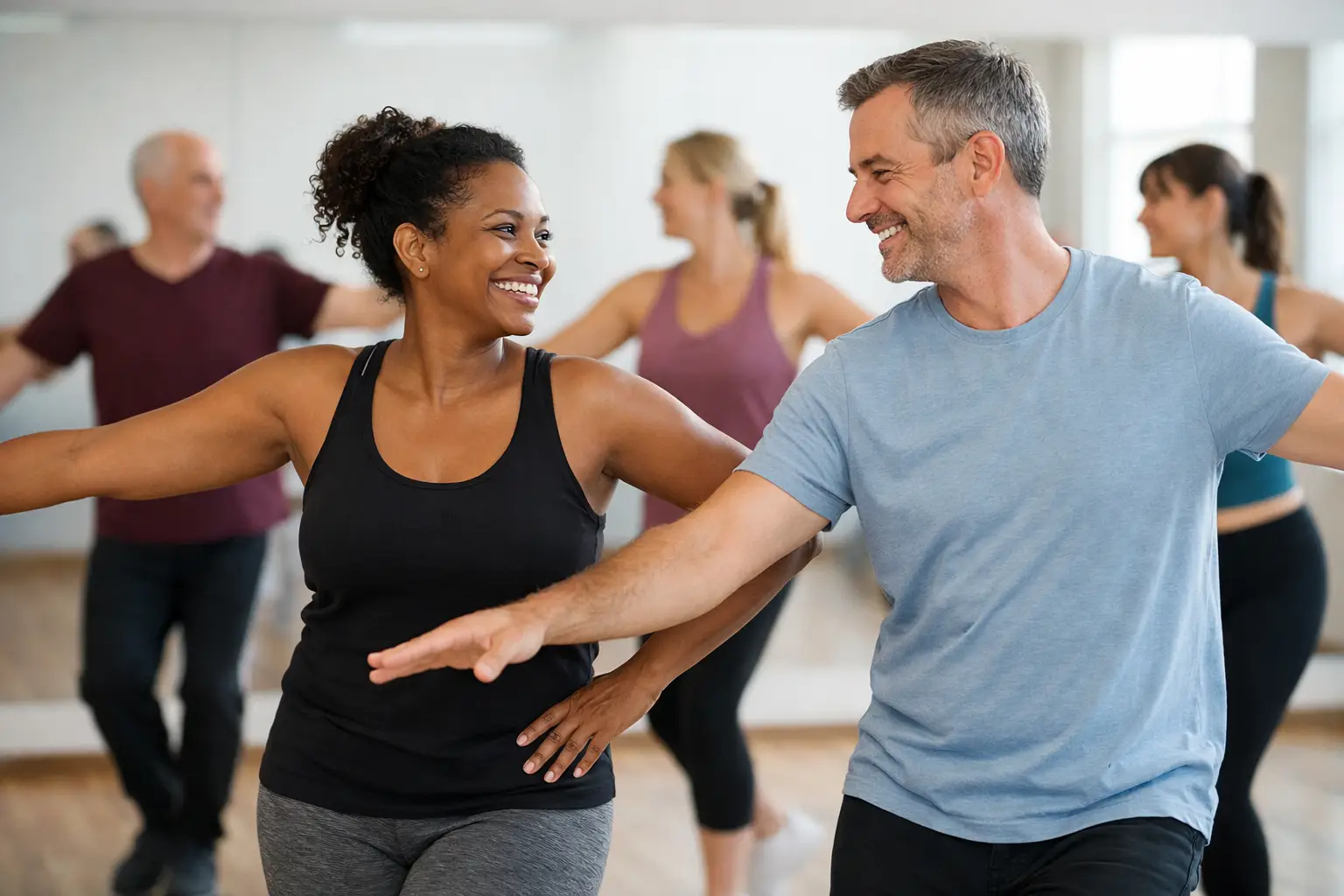
Sticker shock has stopped more than a few people right at the studio door. They want to learn, meet people, get moving, maybe stop doing the awkward side-step at weddings – but the price tag feels like a hard dip. The good news is that affordable dance classes for adults are absolutely out there, and cheaper does not have to mean watered-down, crowded, or intimidating.
What matters is knowing what you are actually paying for. A class that looks cheap for one night can end up costing more in the long run than a well-structured series that helps you build real skills week by week. If your goal is to feel comfortable on a dance floor, not just survive one lesson, value matters more than the lowest number on the page.
What makes dance classes affordable for adults?
Affordable means different things to different dancers. For some, it is about a class fee that fits the monthly budget. For others, it is about getting enough instruction, practice time, and variety to make the cost feel worthwhile.
That is why multi-week group classes often hit the sweet spot. Instead of paying premium rates for one private lesson at a time, adults can learn in a structured setting where each class builds on the last. You get repetition, feedback, and the chance to actually remember what you learned by the next week. That is where confidence starts to cha-cha into the picture.
Group classes also spread the cost in a practical way. Because instruction is shared, students can access experienced teachers at a lower per-person rate. If the class is designed well, that lower price does not feel like a compromise. It feels smart.
The best affordable dance classes for adults are built for real life
Adults are not looking for a conservatory experience after work on a Tuesday night. Most want something social, useful, and low-pressure. They want to move better, laugh a little, and maybe leave knowing enough to dance somewhere other than their own kitchen.
That is why the most worthwhile classes focus on social dancing, not perfection. Ballroom, Latin, swing, country, and club styles all have practical appeal because they can be used in the real world. A good beginner class teaches patterns, timing, and partner connection in a way that makes sense at weddings, dance halls, social nights, and community events.
This is also where beginner-friendly teaching matters. If a class moves too fast, adults feel lost. If it goes too slowly, they get bored. The right program finds the rhythm between those two. It keeps things light without being flimsy, and structured without feeling stiff.
Why no-partner-required classes save money and stress
One of the biggest barriers for adults is not interest. It is logistics. People assume they need to bring a spouse, friend, or date just to try a class. When that does not line up, they put dancing off for months.
A no-partner-required format removes that roadblock right away. It also gives students more flexibility, because they can join when they are ready instead of waiting for someone else to match their schedule or commitment. For singles, it opens the door to a social activity that does not feel like a spotlight moment. For couples, it takes pressure off if one person wants to start sooner.
There is a value piece here too. If you have to organize another person before you can attend, the cost of starting gets higher in ways that are not always financial. Classes that welcome solo students are simply easier to use, and that makes them more accessible.
Cheap is not always a bargain
A low introductory rate can look great until you realize the class is overcrowded, the teaching is inconsistent, or there is no clear progression. Adults do better when they know what comes next. One random drop-in might be fun, but it rarely creates momentum.
A better bargain is a series with a clear start date, level, and outcome. You should be able to tell whether it is for true beginners, what dances are included, and how the material builds from week one to week six or beyond. That kind of structure helps people stick with it, which is really where the return on investment lives.
It also helps if there are chances to practice outside of class. Practice parties, social dances, and guided review sessions turn lessons into actual dancing. Without that bridge, many adults forget what they learned before they ever get to use it.
What to look for before you sign up
The smartest class is not always the flashiest one. Look for a studio that explains tuition clearly, offers beginner-level options, and teaches styles people actually dance socially. If the program covers a range like ballroom, Latin, country, swing, and club dancing, that usually means students can find something that fits their personality and goals.
You should also pay attention to the teaching style. Adults tend to stay with classes when instructors are patient, organized, and personable. The best instructors make the room feel relaxed while still giving useful correction. Nobody wants to feel judged for having two left feet. Most people just want someone who can help those feet find the beat.
Class size matters too, but it depends on the format. A larger group can still feel personal if instructors circulate, rotate partners effectively, and keep the room engaged. A tiny class is not automatically better if the energy is flat or the content is limited.
Different goals, different good choices
Not every adult is shopping for the same dance experience. If your main goal is fitness, you may want faster-paced classes and lots of repetition. If your goal is social confidence, partner dancing with practical lead-and-follow skills is often the better fit. If you are preparing for weddings, country bars, or nights out, classes with real-world dance styles are more useful than highly technical training.
This is where affordable options can actually be stronger than pricier niche programs. A broad social studio often gives adults more variety and more chances to discover what they enjoy. Maybe you come in for swing and fall for salsa. Maybe you start with country two-step and end up loving ballroom. The point is not to pick the fanciest lane. It is to find the one you will actually keep dancing in.
Why community adds value without adding cost
A good dance class gives you steps. A great one gives you reasons to come back.
That usually comes from community. When adults feel welcomed, they keep showing up. When they recognize people in class, trying something new feels easier. When there are social events tied to lessons, dancing stops feeling like homework and starts feeling like part of life.
That is one reason community-driven studios tend to deliver better value. The tuition is paying for more than instruction alone. It is paying for a place where beginners can start without embarrassment, where hobby dancers can improve at a steady pace, and where social learners can actually use what they are learning.
In Saskatoon, that matters. Adults are often looking for activities that are active, social, and easy to join without a huge upfront commitment. A studio like Dance Class Saskatoon stands out when it keeps pricing approachable, welcomes people without partners, and teaches dance in a way that works at actual social venues instead of only in the classroom.
How to start without overspending
If you are curious but cautious, start with one beginner-friendly series instead of trying to sample everything at once. Pick a style that feels useful or fun, then give yourself enough weeks to settle in. The first class can feel new and a little clunky. By week three, that usually changes.
Set a simple goal. Maybe you want to feel comfortable leading a basic pattern. Maybe you want to stop saying no when someone asks you to dance. Maybe you just want a weeknight activity that gets you off the couch and into a room with actual humans. Those are all good reasons to begin.
It also helps to think beyond the class fee. A program is more affordable when it fits your schedule, keeps you motivated, and gives you practical results. Saving twenty bucks does not mean much if you quit after one lesson because the format was not right for you.
The real win is sticking with it
Adults do not need perfect posture, fancy shoes, or a dramatic origin story to start dancing. They need a class that feels approachable, worth the money, and fun enough to come back to next week.
That is the sweet spot. Affordable dance classes for adults should lower the barrier to entry without lowering the quality of the experience. When the teaching is welcoming, the structure makes sense, and the dancing connects to real social life, the value shows up fast.
If you have been waiting for the right time, the right partner, or the right budget, take that as your cue to step in anyway. The best first move is usually the one that gets you onto the floor.