
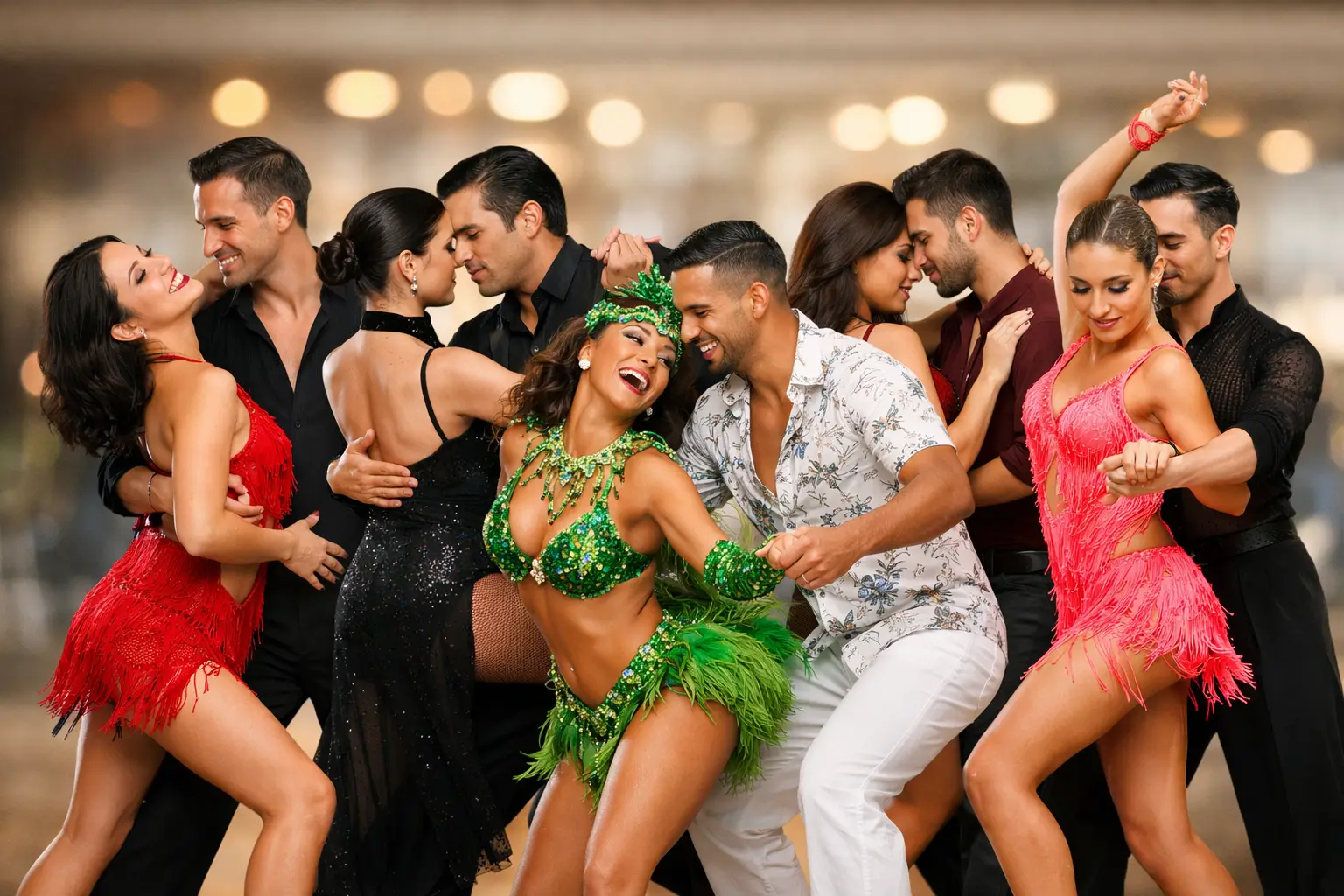
Some dances make you feel elegant. Some make you feel cool. The 5 types of latin dance most beginners ask about tend to do both – with a little more hip action, a little more rhythm, and a lot more fun on the floor. If you have ever watched a social dance and thought, “That looks amazing, but could I actually do it?” the good news is yes, you absolutely can.
Latin dance has a way of turning nerves into smiles fast. The music is lively, the movement is expressive, and the social side is hard to beat. You do not need years of training, fancy shoes, or a perfect partner lineup to get started. You just need a willingness to step in, miss a beat or two, and keep moving.
Why these 5 types of latin dance are so popular
There are many Latin and Latin-inspired dance styles, but a handful come up again and again in social classes because they are practical, recognizable, and genuinely enjoyable to learn. They show up at dance studios, weddings, clubs, parties, and community events. They also each give you something a little different.
Some dances are flirty and relaxed. Others are crisp and playful. Some are easier to pick up in a first lesson, while others take a bit more time to feel natural. That is part of the fun. You are not looking for the one “best” dance. You are looking for the style that makes you want to come back next week.
1. Salsa
If Latin dance had a social butterfly, salsa would be it. Salsa is upbeat, energetic, and built for connection. It is one of the first styles many adults want to try because the music is exciting and the dance floor energy is contagious.
For beginners, salsa can feel a little fast at first. The timing usually asks you to step quickly and stay aware of changing direction, turns, and partner lead-and-follow. That said, it is also incredibly rewarding. Once the basic step starts to click, salsa feels like a party in motion.
Salsa works well for people who want a lively, social dance that has plenty of room to grow. You can keep it simple and fun, or layer in spins, shines, and more complex patterns over time. If your goal is to get comfortable dancing at social events, salsa gives you lots of mileage.
The trade-off is that salsa can be a touch more demanding in the beginning than some slower styles. If fast music makes you freeze, you may enjoy starting with something more relaxed and adding salsa soon after.
2. Bachata
Bachata is often the dance that wins over nervous beginners. It has a slower, easier-to-hear rhythm than salsa, and the basic step is usually simpler to learn in early classes. That means you can spend less time worrying about your feet and more time enjoying the music and partner connection.
The signature side-to-side movement and gentle hip action give bachata its smooth, grounded feel. It can be sweet, playful, romantic, or upbeat depending on the song and the style being taught. Socially, it is a favorite because it feels approachable without being boring.
Bachata is a great fit for people who want confidence quickly. In many cases, new dancers can start using basic bachata patterns at a social dance sooner than they expect. That early success matters. It helps you relax, and relaxed dancers learn faster.
One thing to know is that bachata has different styles, and the feel can vary from studio to studio. Some classes keep it classic and straightforward. Others add more body movement and styling. Neither is wrong. It just depends on what kind of social dancing you want to do.
3. Cha Cha
Cha cha has personality for days. It is cheeky, rhythmic, and full of sharp little accents that make the music pop. If salsa is a bustling party and bachata is a smooth conversation, cha cha is the dance that walks in with a wink.
Beginners often enjoy cha cha because the music has a clear pulse and the dance has a playful structure. The famous “cha cha cha” rhythm gives you a recognizable pattern to listen for, which can make the timing easier to understand once it is explained well.
At the same time, cha cha asks for control. The steps are compact, the weight changes matter, and the action can feel more precise than looser club styles. That precision is part of what makes it so satisfying. When it clicks, cha cha feels clean, confident, and just plain fun.
If you like dances with crisp timing and a little sass, cha cha may be your match. If you prefer a softer, more relaxed feel, you might gravitate toward bachata or rumba first and circle back later.
4. Rumba
Rumba slows things down in the best way. It is often taught as a foundational Latin partner dance because it helps students work on timing, body movement, balance, and connection without feeling rushed. Think less scramble, more intention.
For social dancers, rumba is useful because it builds skills that carry into many other partner dances. You learn to transfer weight clearly, listen to slower musical phrasing, and communicate through your frame instead of trying to muscle every step into place. That is gold for beginners.
Rumba also has a romantic, expressive quality that many adults enjoy. It does not rely on speed to create interest. Instead, it asks you to stay present with the music and your partner. That can feel wonderfully natural once the basics settle in.
The only catch is that slower dances can sometimes expose sloppy timing more than fast dances do. In other words, you cannot hide in the rush. But that is not a bad thing. It often makes rumba one of the best teachers in the room.
5. Merengue
If you want a dance that gets people moving fast, merengue deserves a spot on the playlist. It is one of the most beginner-friendly Latin dances because the basic movement is straightforward, the rhythm is steady, and you can start dancing to music almost right away.
Merengue is built on simple marching steps, which makes it feel accessible even for people who think they have two left feet. Add in easy turns and partner patterns, and you have a dance that can be taught without overwhelming brand-new students.
That simplicity is exactly why merengue works so well in social settings. It lets people join in quickly and enjoy success early. For a lot of adults, that first “Hey, I can actually do this” moment is what keeps them coming back.
The flip side is that merengue may not feel as technically rich or varied at the start as salsa or cha cha. Still, simple does not mean dull. With the right music and a fun group, merengue can light up a room in no time.
How to choose between these 5 types of latin dance
The best first dance depends on your personality as much as your feet. If you want high energy and a buzzing social vibe, salsa is a strong choice. If you want something smoother and easier to settle into, bachata is often the crowd-pleaser. If musical detail and playful rhythm excite you, cha cha has your name on it. If you like slower learning with strong fundamentals, rumba is a smart place to start. And if you want the quickest path from “I have no idea what I’m doing” to “This is actually fun,” merengue is a great opener.
It also depends on your goal. Some people want a dance they can use at clubs. Others want a comfortable entry point into partner dancing in general. Some want fitness, some want confidence, and some just want a fun night out that does not involve staring at a phone.
That is why good instruction matters. A welcoming class can make any of these styles feel doable, while a rushed or overly technical class can make even the easiest dance feel intimidating. Patient teachers, structured progression, and a friendly room make a huge difference.
What beginners usually get wrong
A lot of new dancers assume they need natural rhythm before they start. Not true. Rhythm gets better with practice. Another common worry is needing to bring a partner. Also not true in many social dance classes. Plenty of adults start solo, rotate partners in class, and end up meeting people along the way.
The bigger mistake is waiting until you feel ready. Dancing is one of those things where confidence usually shows up after you begin, not before. You learn by moving, laughing, resetting, and trying again. Fancy footwork can wait. First, get comfortable with the basics and enjoy the beat.
For adults in Saskatoon looking for a fun, practical way to learn, that social-first approach is what makes classes at Dance Class Saskatoon feel so approachable. You are not training for a spotlight solo. You are learning how to walk into a dance, hear the music, and actually join in.
If one of these styles has your toes tapping already, trust that little rhythm hint. Your first dance does not need to be perfect. It just needs to get you out on the floor.