
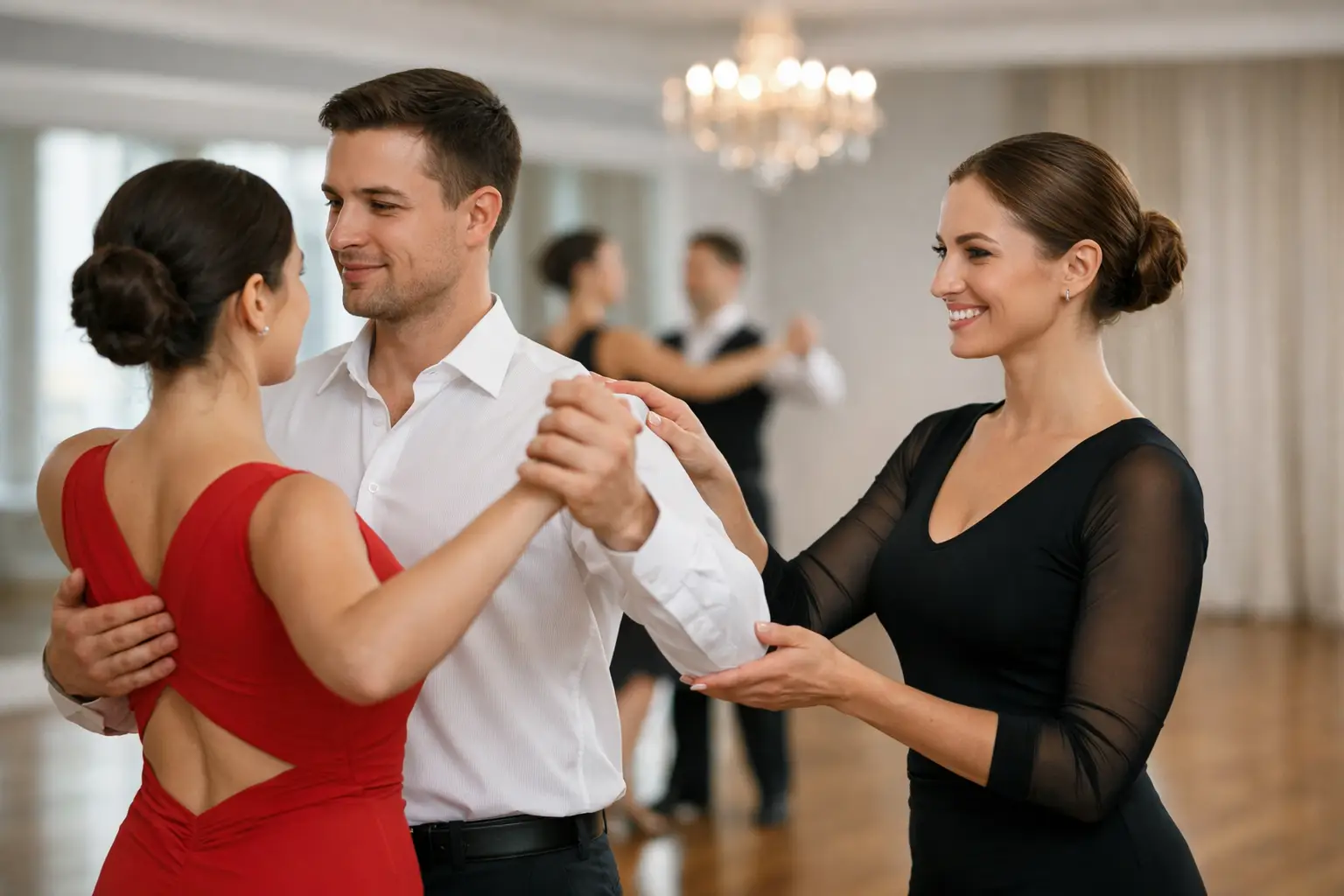
Most people do not start looking for ballroom dance instruction because they want to win a trophy. They want to stop sitting on the sidelines. They want to feel comfortable at a wedding, a social night out, a dance hall, or a community event. They want to move with confidence, have fun, and maybe even meet a few great people along the way. That is where good instruction really earns its stripes.
The best ballroom classes are not about making beginners feel behind before they have even taken a first step. They are about helping real people learn real dancing they can actually use. If a lesson leaves you smiling, sweating a little, and thinking, “Hey, I can do this,” then the class is doing its job.
What good ballroom dance instruction looks like
Strong ballroom dance instruction is clear, practical, and friendly from the first class. You should not need a background in dance terminology to keep up. A good instructor breaks down patterns into manageable pieces, explains lead and follow in plain language, and gives students enough repetition to build comfort without making the room feel stiff.
That balance matters more than people think. If a class is all theory and no movement, students get bored. If it is all movement and no explanation, beginners get lost. The sweet spot is structure with personality – a class that has a plan but still feels relaxed and human.
It also helps when instructors teach for the social floor, not just for a perfect studio demo. Social dancing is rarely ideal. Music changes. Space gets tight. Nerves show up. Partners vary. Instruction that prepares students for those real-life conditions is far more useful than teaching one polished routine that only works under perfect circumstances.
Why beginners need more than steps
The first thing many new dancers ask is, “What dance should I learn?” The better question is, “What kind of experience helps me keep coming back?” Plenty of adults can memorize a few counts for one evening. The bigger win is building enough comfort to return next week and enjoy the process.
That is why the teaching style matters as much as the dance style. Beginners usually need three things right away. They need a welcoming room, simple coaching, and permission to be new at this. Without those, even a technically solid class can feel intimidating.
A lot of adults carry quiet worries into their first lesson. They think they have two left feet. They assume everyone else will know more. They wonder if showing up without a partner will feel awkward. Good instructors know this and address it directly. They normalize mistakes, keep the room moving, and create an atmosphere where laughter is part of learning. A little foot-fault fun goes a long way.
The difference between social and competitive teaching
Not all ballroom instruction aims at the same goal, and that is a good thing. Some dancers love technique-heavy training, precision drills, and performance polish. Others simply want to dance better at parties, clubs, and local events. Neither goal is wrong, but the right fit depends on what you actually want.
For most adults starting out, social ballroom instruction is the better match. It focuses on timing, connection, floor awareness, and patterns that work with a variety of partners. You are learning how to dance with people, not just how to remember choreography.
Competitive-style teaching can be exciting, but it may feel too intense if your main goal is confidence and enjoyment. On the other hand, if you eventually want sharper technique, social classes can still be a smart starting point. They build the foundation first. You learn to move before you worry about polishing every tiny detail.
How to tell if a class will actually help you
A good class description should make it easy to know what you are signing up for. If everything sounds advanced, vague, or overly formal, beginners may not get the support they need. Clear programs tend to explain who the class is for, what level it suits, and how the material builds over time.
Multi-week series are often the strongest option for new dancers because they create momentum. Instead of cramming everything into one night, students get time to practice, ask questions, and let the movement settle in. Week by week, confidence starts to click into place.
It also helps when classes welcome both couples and singles. A no-partner-required format removes one of the biggest barriers people face. Plenty of adults want to learn but do not have someone ready to register with them. A studio that makes room for everyone keeps the experience more open, social, and beginner-friendly.
Look for instructors who are experienced but approachable. Credentials matter, but patience matters too. The best teachers know how to spot where a student is getting stuck and offer one useful adjustment instead of ten corrections at once. That is how progress feels encouraging instead of overwhelming.
Ballroom dance instruction should feel practical
If you are paying for lessons, you should leave with something you can use. That might mean learning a basic box step, understanding how to turn smoothly, or finally figuring out how to stay on time with the music. Small wins count. In fact, they are often what keep people dancing.
Practical ballroom dance instruction focuses on skills that transfer across the floor. Things like posture, rhythm, frame, direction changes, and partner awareness help in almost every style. Once those pieces start to make sense, learning specific dances becomes much easier.
This is especially helpful for adults with busy schedules. Most people are not practicing for hours every day. They need classes that make efficient use of time and teach material that sticks. A lesson should leave you feeling challenged, not scrambled.
That is one reason progressive group classes work so well. They give students a chance to revisit core ideas while adding new material at a steady pace. Instead of feeling thrown into the deep end, you get to build your dance game one count at a time.
Confidence grows faster in community
Learning to dance is not just about feet. It is also about comfort, connection, and feeling like you belong in the room. A warm class environment makes a huge difference, especially for adults who are trying something new after a long break or for the very first time.
Community-driven studios tend to create better long-term dancers because students have reasons to keep showing up. They see familiar faces. They practice with different people. They attend social events where class material comes to life. The learning does not stop when the lesson ends.
Practice parties and social dance nights are especially valuable. They bridge the gap between class and the real world. You get to test your skills in a low-pressure setting, make mistakes without panic, and realize that everyone else is learning too. That is where confidence stops being theoretical and starts feeling real.
In a city like Saskatoon, that social side matters. Adults are often looking for more than instruction. They want an activity that is active, welcoming, and genuinely fun. The right dance community can check all three boxes without making the experience feel exclusive or overly serious.
Choosing the right style for your goals
Ballroom is a broad umbrella, and that is part of the fun. Some students love the smooth glide of waltz and foxtrot. Others light up for cha cha, rumba, swing, or country partner dancing. There is no single best style for everyone.
If your goal is weddings and formal events, classic ballroom basics may be the right starting point. If you want upbeat energy for social nights, swing or Latin styles might be a better fit. If you want something practical for local dance halls, country classes can be a great choice. The best instruction meets students where they are and helps them pick a path that feels useful, not random.
This is where personalization matters. Even in a group setting, strong instructors can guide students toward the classes that fit their goals. That kind of direction saves time and helps beginners avoid the common trap of signing up for something that sounds exciting but is not actually a good first step.
What makes adults stick with dance
Adults keep dancing when the experience feels rewarding early on. They do not need perfection. They need progress they can feel. Maybe they walk into class nervous and leave standing taller. Maybe they go from counting every step out loud to moving with the music. Maybe they finally say yes to a social dance instead of hiding by the snack table.
That is the real magic of well-designed instruction. It turns dance from something that looks nice from the outside into something you can actually do. And once that starts to click, people often discover they are not just learning steps. They are building confidence, meeting people, staying active, and finding a hobby with real spark.
If you are thinking about trying ballroom, do not wait until you feel ready. Good teaching is what gets you ready. Start where you are, let yourself be a beginner, and give the music a chance to lead the way.