
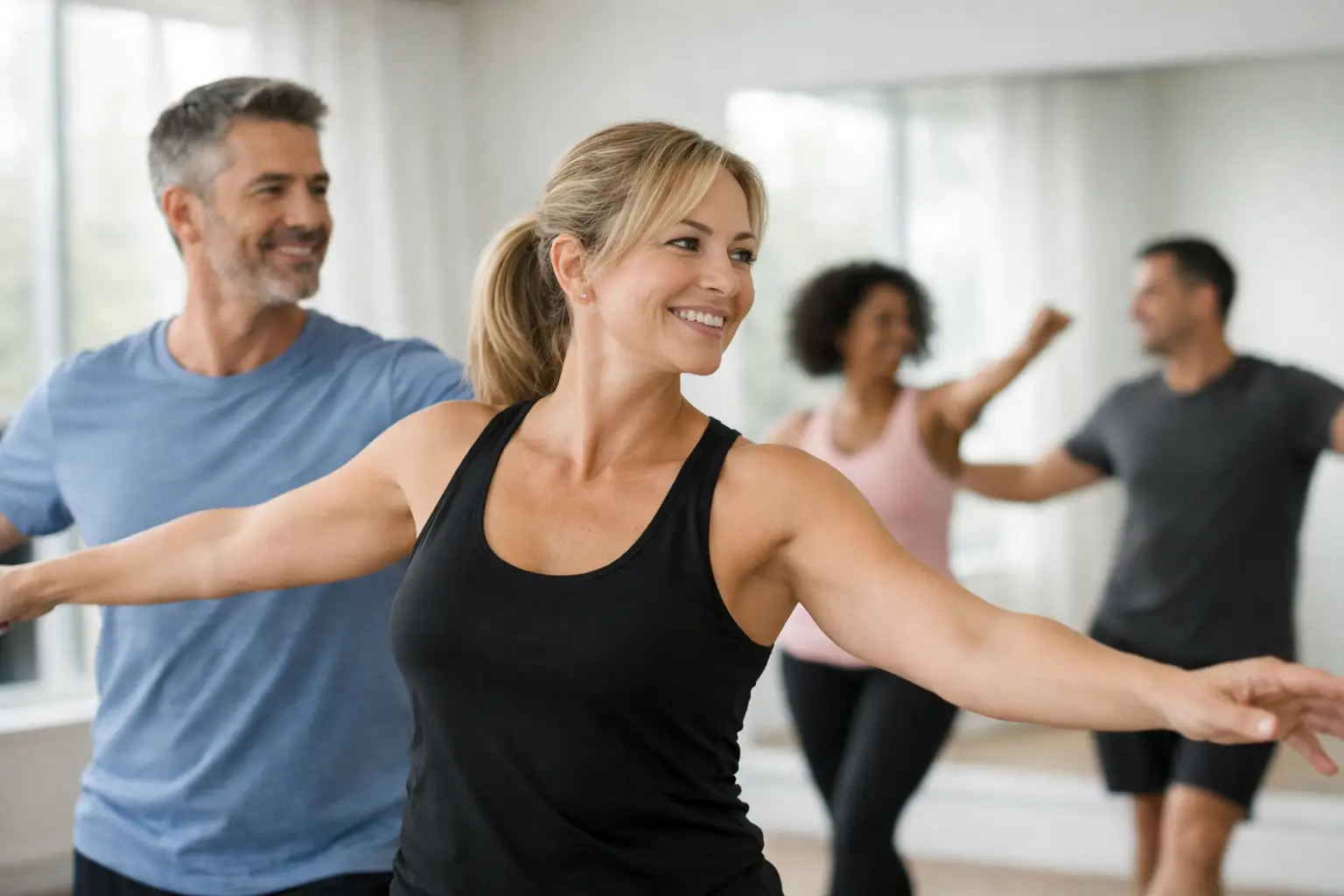
You do not need fancy shoes, a dance partner, or a secret childhood spent in a ballroom to get started. The best adult beginner dance programs are built for real people who want to feel less awkward at weddings, enjoy a night out, meet new people, or simply trade another evening on the couch for something more lively.
A good first class should feel like an invitation, not an audition. You will learn useful steps, laugh through the occasional missed turn, and discover that dancing is far more doable than it looks from the sidelines. The goal is not perfection. It is getting comfortable enough to hear a song you love and think, “I know what to do with this.”
What Adult Beginner Dance Programs Should Actually Teach
A beginner program is more than a collection of steps. It should give you a simple, repeatable way to move with music and another person. That means learning basic timing, how to lead or follow comfortably, where to place your hands, and how to recover when something goes sideways. Spoiler alert: everyone misses a step sometimes. Experienced social dancers simply keep smiling and carry on.
The most useful programs focus on patterns you can use outside the studio. Rather than spending weeks on showy choreography that only works in one routine, social dance classes teach movements you can mix, match, and enjoy to different songs. You may start with a basic step, add a turn, then learn how to connect those pieces without feeling like your brain is doing the cha-cha in two different directions.
For adults, pacing matters. A class should build gradually, revisit key skills, and leave room for questions. You want enough structure to feel progress from week to week, along with enough repetition that the material starts to feel natural in your body.
No Partner? No Problem
One of the biggest reasons adults put off dance lessons is the thought that they need to bring someone. You do not. In a welcoming group class, students rotate partners throughout the lesson, giving everyone a chance to practice and meet fellow dancers.
Rotation is helpful for more than the social side. Every person feels timing, connection, and movement a little differently. Changing partners helps you learn to dance rather than memorize one person’s signals. It also keeps the atmosphere relaxed, whether you arrive solo, with a spouse, or with a friend who promised they had rhythm.
Couples still get plenty of time together, especially at practice events and social dances. But rotating in class can make learning faster, lighter, and more fun for everyone in the room.
Start With the Style That Fits Your Life
There is no single “best” dance for beginners. The right choice depends on the music you enjoy, the places you want to dance, and the kind of experience you want from class.
If you picture dancing at weddings, banquets, or restaurants with live music, ballroom and Latin styles can be a terrific foundation. Foxtrot, rumba, cha-cha, and swing each offer a different feel, from smooth and relaxed to playful and energetic. For people who love country bars, dance halls, and a good two-step, country dance lessons offer practical skills that get you around the floor with confidence.
Swing is a great match for upbeat music and a more casual, bouncy vibe. Club styles can help you feel at home when the playlist leans modern. The best option is often the one that makes you excited to hear the next song, because enthusiasm is a powerful practice partner.
Not sure where to begin? Choose a true introductory series instead of trying to learn everything at once. A few solid basics in one style will take you further than a sampler of ten dances that never gets a chance to stick.
What Your First Few Weeks May Feel Like
Week one can feel wonderfully new and slightly clumsy. That is normal. You are learning music, movement, connection, and a new social setting all at once. Give yourself permission to be a beginner. Nobody walks into their first class looking like they have been sent in by a movie musical.
In the first few weeks, many students notice small wins before they notice big ones. You may recognize the beat faster. A turn that felt impossible in week one may suddenly work. You may stop staring at your feet and start looking at your partner. Those little moments add up.
By the end of a multi-week program, you should have a handful of dependable patterns and a clearer sense of how to use them. More importantly, you should know how to keep learning. Social dancing is not about collecting hundreds of moves. It is about getting mileage from the moves you know.
How to Get More From a Beginner Dance Class
Showing up consistently makes a bigger difference than natural talent. Missing a class does not mean you have failed, but regular attendance gives your body time to remember what your brain learned. Dancing is a physical skill. Reading about a turn is not the same as turning.
Wear comfortable clothes that let you move and shoes that stay on your feet. You do not need specialty dance shoes on day one. Avoid very sticky rubber soles if possible, since they can make turns feel harder on some floors. Bring a water bottle, arrive a few minutes early, and let the instructor know you are new if you need extra reassurance.
At home, practice the basic rhythm for a few minutes with music. You do not need a partner to work on timing, posture, or foot placement. Even a short practice session helps turn “Wait, what comes next?” into “Oh, I remember this one.”
Most of all, try not to apologize every time you make a mistake. A missed step is information, not a disaster. Reset, find the beat, and keep dancing. That calm recovery is one of the most valuable social dance skills you can learn.
Why Practice Parties Make a Big Difference
Classes teach the ingredients. Practice parties show you how to put them together. In a class, the instructor tells you when to begin, which pattern to try, and how many counts you have. At a social practice, you choose the dance, listen for the music, and decide what to do next.
That freedom can feel intimidating at first, but it is where confidence really starts to grow. You can repeat a basic step, try a simple turn, or sit out a song and watch how others move. There is no need to perform. Everyone is there to learn, practice, and have a good time.
For many adults, this is also where the community happens. You begin recognizing familiar faces, cheering on classmates, and finding people who are happy to dance one more song. A studio like Dance Class Saskatoon makes that social connection part of the experience, not an afterthought.
Choosing a Program You Will Want to Finish
Before enrolling, look for a program designed specifically for beginners, not a general class where new students are expected to catch up. Ask whether no experience is required, whether a partner is needed, and whether the material is taught as a progressive series. A progressive format is especially helpful because each class builds on the one before it.
Also consider the teaching style. The right instructor explains clearly, demonstrates patiently, and creates a room where mistakes are expected. A little personality helps, too. Dance is supposed to be fun. If the room feels warm and people are smiling, you are more likely to return when the weather is cold, your schedule gets busy, or your first turn needs a second try.
Affordability matters as well, but the cheapest option is not always the best value. A well-organized multi-week series with experienced instruction and opportunities to practice can give you far more usable confidence than a single rushed lesson. Think about where you want to be after the class ends: ready to try another style, attend a dance, or say yes when someone asks you to dance.
The first step onto the floor may feel like the biggest one, but it gets easier quickly. Pick a beginner-friendly program, bring your curiosity, and let the music do some of the work. Your future dance floor self is already saving you a spot.